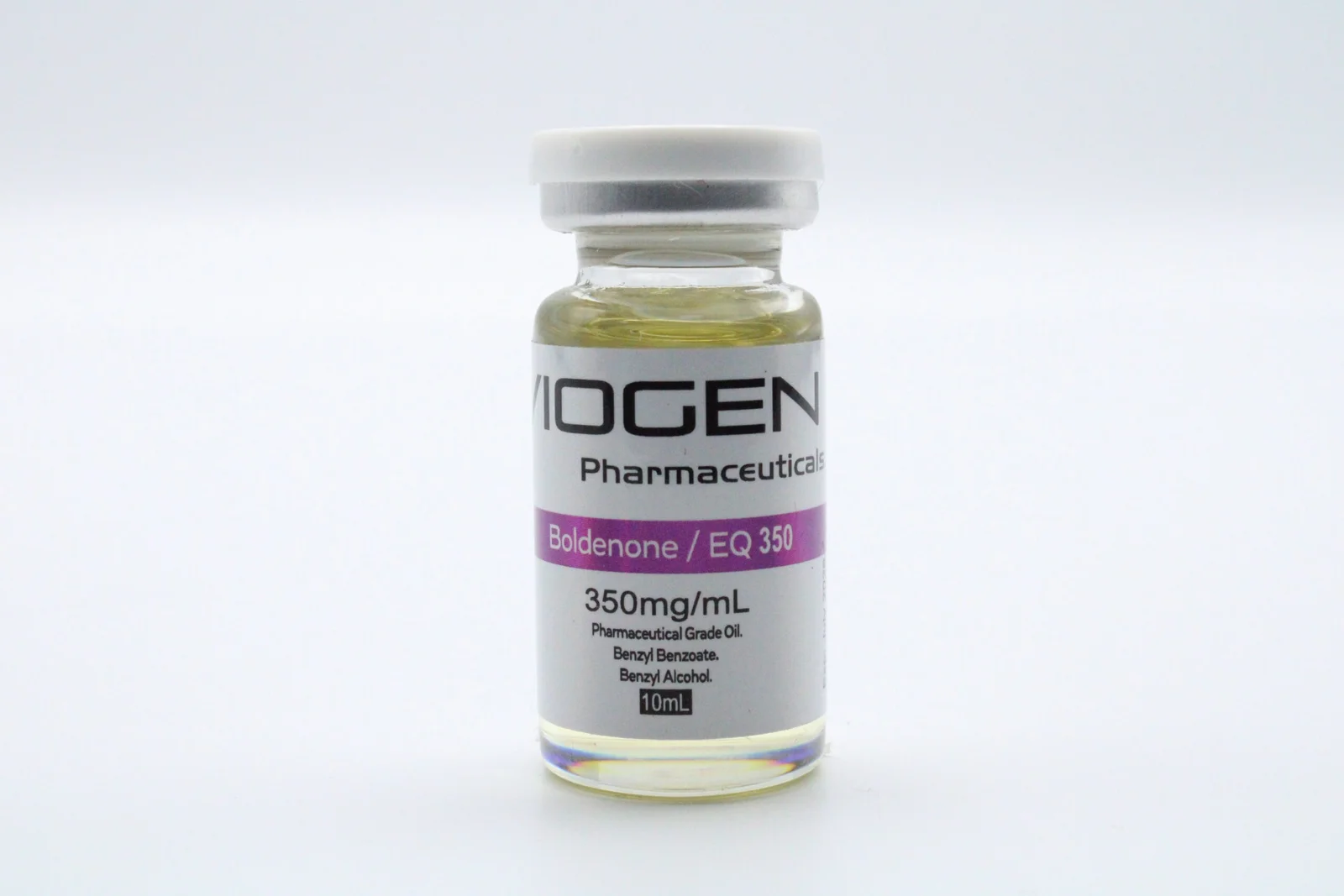
Boldenone and testosterone are structurally related anabolic-androgenic steroids, but they are not interchangeable. A comparison describes broad pharmacological context; it is not a guide to using either substance. Relationship and difference Testosterone is a naturally occurring hormone, while boldenone is a related synthetic anabolic-androgenic steroid. That relationship does not tell us how a particular person […]
Boldenone can be associated with cardiovascular, hormonal, reproductive, and haematological concerns. This educational overview is not medical advice and cannot assess individual risk. Cardiovascular and blood-related considerations Anabolic-androgenic steroids can affect blood lipids, blood pressure, and blood counts. These findings may have implications for cardiovascular health and warrant qualified medical assessment. Hormonal and reproductive effects […]
Boldenone is an anabolic-androgenic steroid with a veterinary history. This article explains general context and risks; it does not recommend use, describe a regimen, or offer medical advice. History and context Some anabolic steroids have been developed or used in animal-health settings. A veterinary history does not establish safety or an authorised human use. The […]
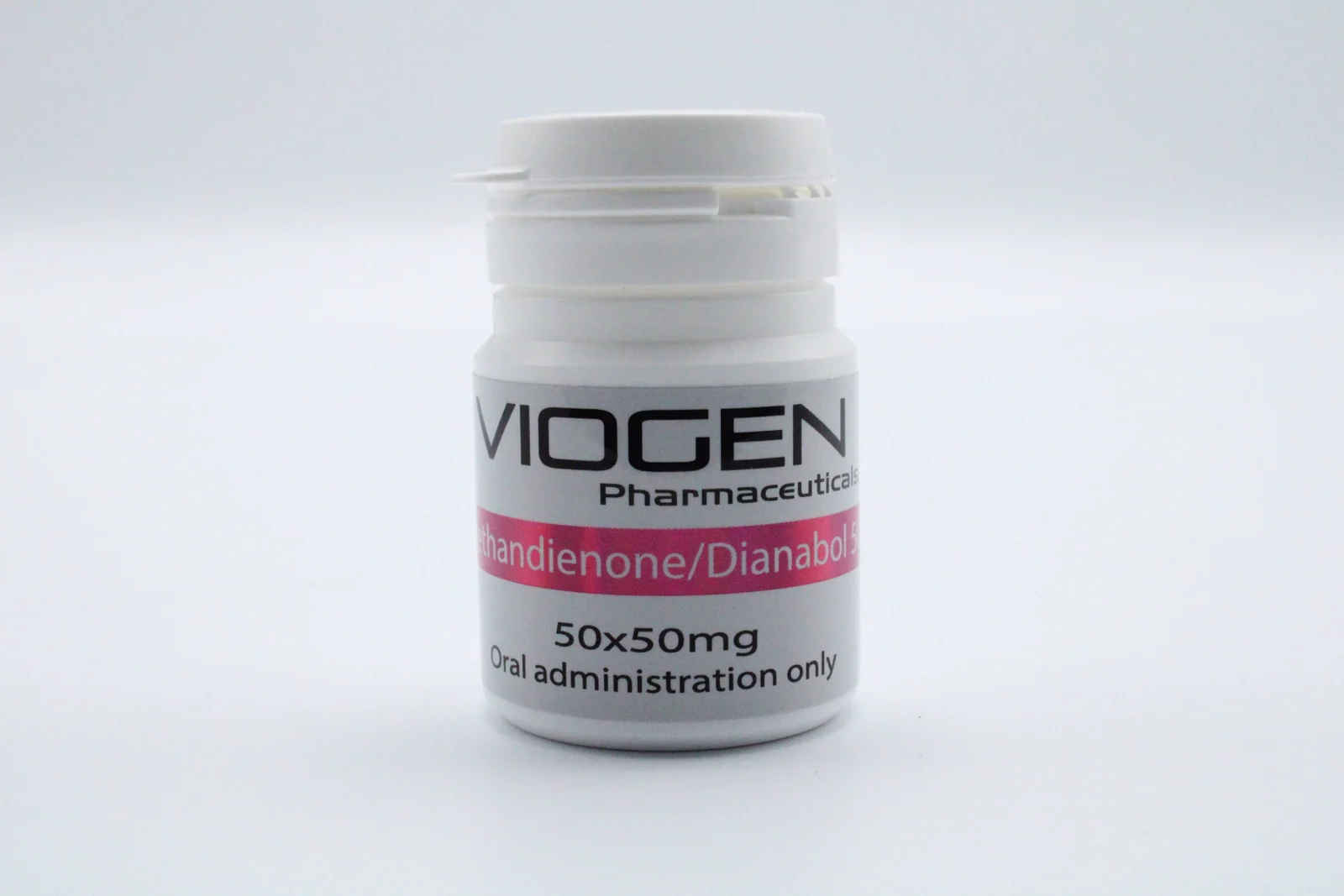
Dianabol is commonly used as a name for methandrostenolone, an anabolic-androgenic steroid. This page provides general historical and safety context; it does not provide instructions for use, dosing, or product selection. How anabolic-androgenic steroids are discussed These compounds are structurally related to testosterone and can influence androgen receptors. Their effects extend beyond skeletal muscle and […]
Oxandrolone and methandrostenolone are both anabolic-androgenic steroids, but they are different compounds with different histories and safety considerations. A comparison can clarify terminology; it should never be read as a recommendation or a ranking of safety. Different compounds, shared concerns Oxandrolone is historically associated with the brand name Anavar. Dianabol is a name commonly associated […]
Anavar is a brand name historically associated with oxandrolone, an anabolic-androgenic steroid. The term “milder” is sometimes used online, but it does not mean risk-free. This article is general health information, not treatment or product-use advice. Liver and cholesterol considerations Prescription oxandrolone labelling includes serious liver warnings, and anabolic-androgenic steroids can affect lipid profiles and […]
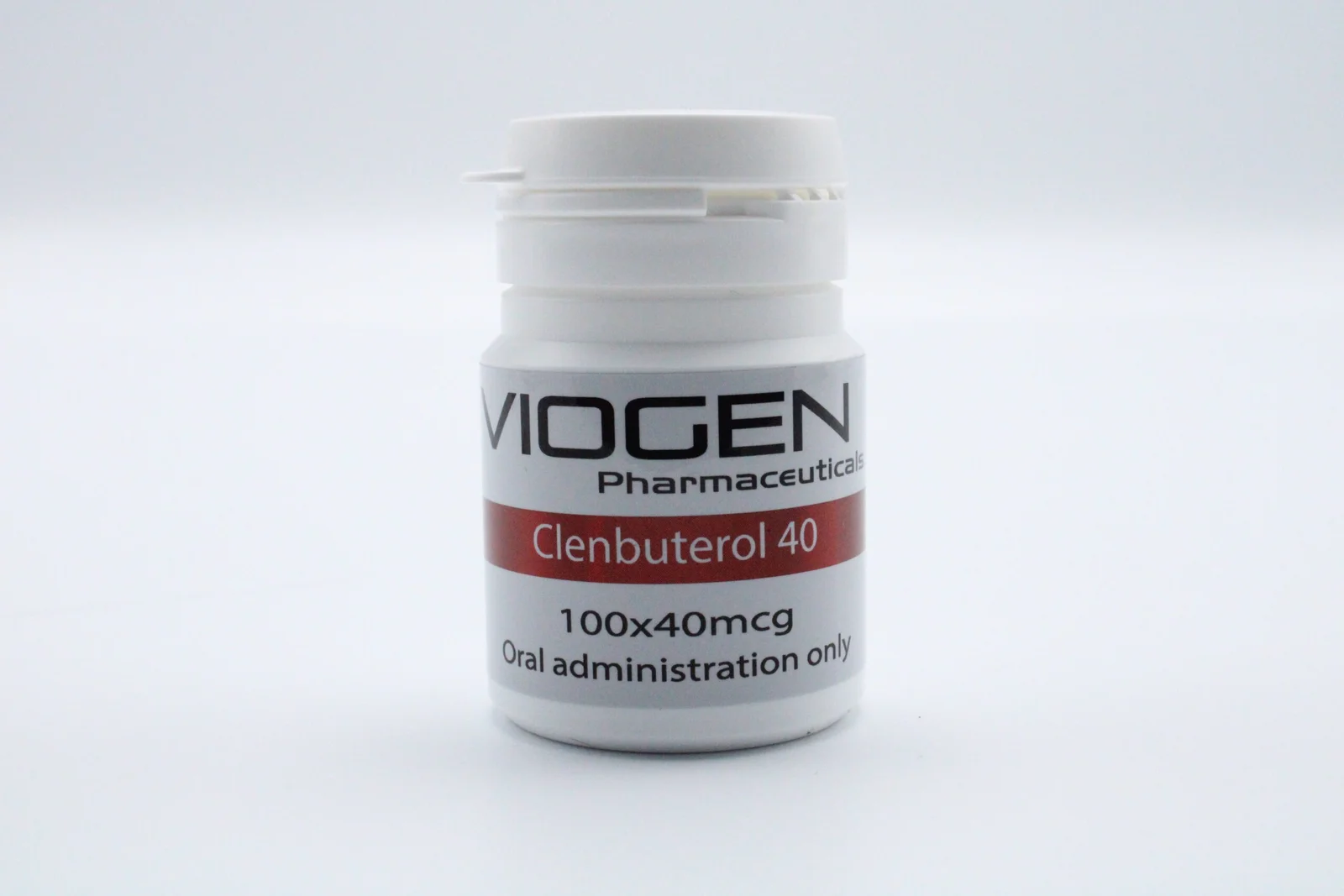
Clenbuterol has stimulant-like effects that can influence heart rate and blood pressure. This educational article summarises general safety concerns; it does not diagnose symptoms or provide individual medical advice. Why cardiovascular effects matter Changes in heartbeat, blood pressure, and cardiac workload can be clinically important, particularly for people with an existing cardiovascular condition or other […]
Clenbuterol is a beta-2 adrenergic agonist. It has appeared in veterinary and medical contexts in some jurisdictions, but its legal status and authorised use vary. This article explains general safety context only; it does not provide instructions for use or weight-loss advice. Why it is discussed in weight-loss contexts Clenbuterol is sometimes associated online with […]
Comparisons between anabolic-androgenic steroids are often presented online as if they identify a “better” or safer option. They do not. This article explains why pharmacological differences should not be interpreted as personal recommendations or a substitute for clinical advice. Shared drug class, different profiles Anabolic-androgenic steroids are structurally related to testosterone and can influence androgen […]
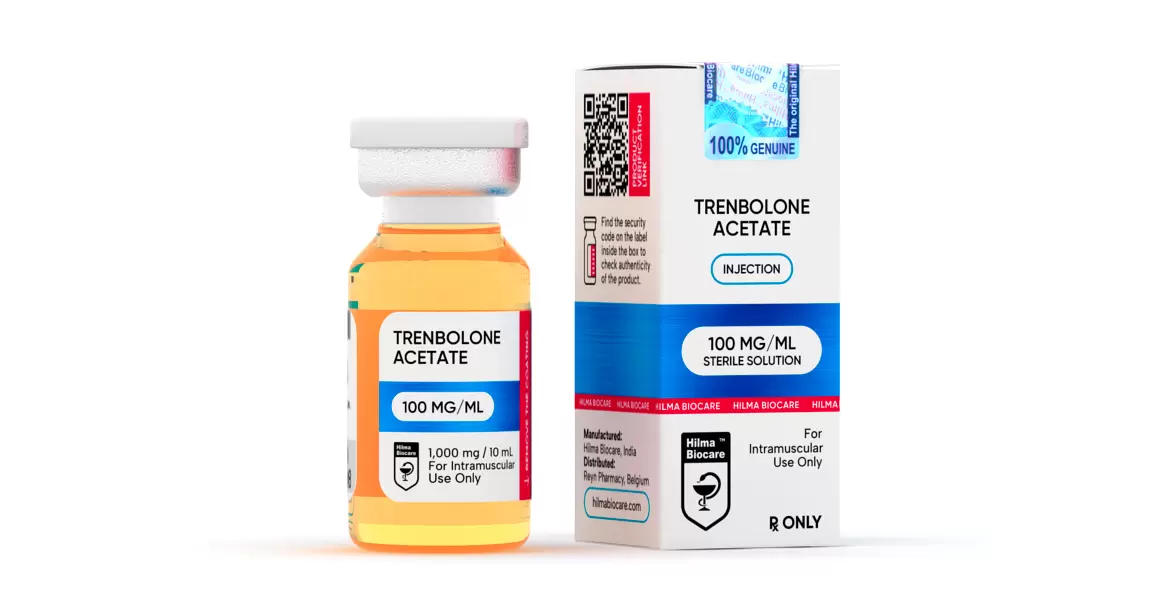
Trenbolone is an anabolic-androgenic steroid that is sometimes discussed outside clinical settings. This article is for general education only. It does not provide instructions for use, treatment advice, or a recommendation to use any substance. Why potential risks need careful attention Anabolic-androgenic steroids can affect multiple body systems, and the nature and severity of harm […]