
Uncategorized
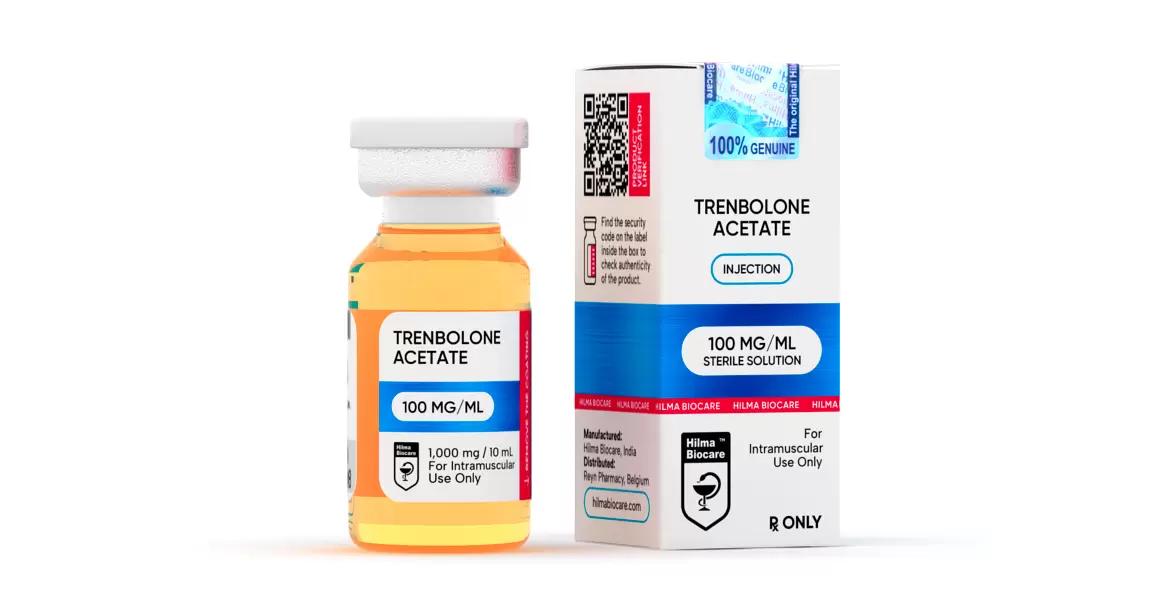
Trenbolone vs Other Anabolic Steroids: Key Differences
Aug
Comparisons between anabolic-androgenic steroids are often presented online as if they identify a “better” or safer option. They do not. This article explains why pharmacological differences should not be interpreted as personal recommendations or a substitute for clinical advice.
Shared drug class, different profiles
Anabolic-androgenic steroids are structurally related to testosterone and can influence androgen receptors. Individual compounds can differ in their chemical structure, available evidence, labelled uses, and adverse-effect profile. Those differences do not remove the possibility of cardiovascular, endocrine, psychiatric, or other harms.
Why “potency” is not a safety measure
Informal claims about anabolic or androgenic activity cannot predict how a particular person will respond. Individual risk is shaped by health history, other substances, duration of exposure, product quality, and many factors that cannot be assessed from an online comparison.
Medical and legal context
Some substances have veterinary histories or are discussed outside licensed medical care. Rules on possession, supply, importation, and prescribing are jurisdiction-specific. For current UK information, consult GOV.UK drug-penalty guidance rather than relying on forum summaries.
Read the risks before interpreting differences
Our guide to potential trenbolone risks focuses on health concerns, while the broader anabolic-steroid risk article provides the wider context.
Further reading
